Key Highlights
- For most families, the bigger risk is not probate itself but stale documents, bad titling, and beneficiaries that no longer fit.
- Signing a will or trust is only half the job, because beneficiary forms and account ownership can override your intentions.
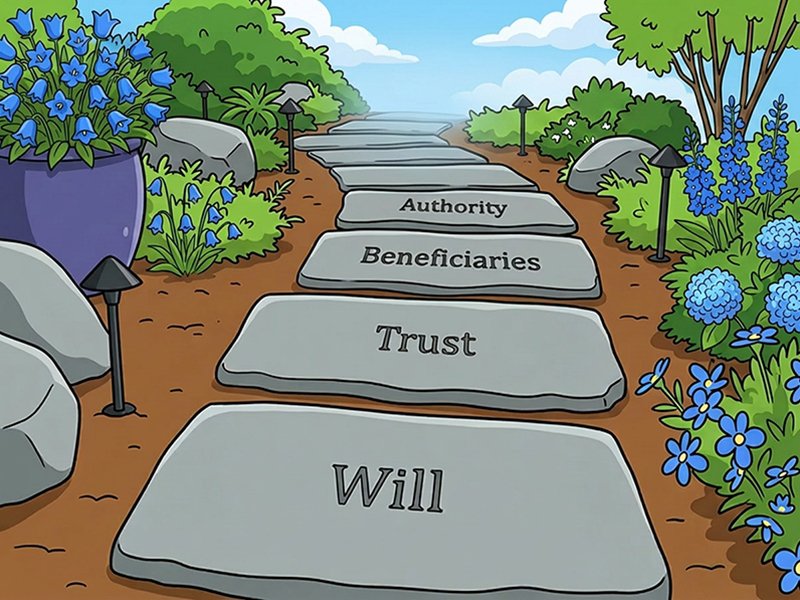
- The real goal is simple: make sure the right people have clear authority and your assets go where you actually want them to go.
Most people do not avoid estate planning because they are lazy. They avoid it because it feels confusing, expensive, or easy to push off until “later.” And then one day, later turns into a health scare, a sudden death, and a family member or loved one trying to sort through legal and financial details in the middle of one of the hardest moments in their life.
That is not ideal. At NTX Wealth Partners, we think estate planning for most families should start with something much less dramatic and much more practical: getting the right core documents in place and making sure they actually line up with your accounts, assets, and intentions. Because signing documents is important. But signing documents and having a coordinated plan are not the same thing.
The Basic Estate Planning Starter Pack
For many pre-retirees and retirees, the foundational estate plan includes four key items:
- Will
- Revocable or living trust
- Advance directive for healthcare decisions
- Durable power of attorney for financial matters
The exact names can vary by state, but that is the basic lineup. This is not the flashy part of financial planning. No one brags at a cocktail party about finally updating their power of attorney. But these documents matter because they help answer the big questions: Who is in charge if you cannot act for yourself? Who gets what? Who can make medical decisions? Who can pay bills and handle financial matters if something goes sideways?
That Is Grown-Up Planning. Not Sexy, but Very Useful.
Signing the documents is only part one.
This is where a lot of people get tripped up. They meet with an attorney, sign the documents, put the binder on a shelf, and mentally check the box forever. Meanwhile, real life keeps moving. They open a new investment account, refinance a home, move assets, change beneficiaries, buy a rental property, start a business, accumulate crypto, help a child open an account, remarry, or move to another state. Now the documents may say one thing, while asset titling and beneficiary designations say another.
That matters because beneficiary designations and account ownership often override what your will or trust says. So if your documents say assets should be divided equally among your kids, but one IRA still names only one child, guess what wins? The beneficiary form. The paperwork usually bats last. That is why we tell clients that estate planning is not just about having documents. It is about making sure the documents, account titling, beneficiary designations, and real-world asset list are all rowing in the same direction.
A Good Plan Is Not Just “Avoid Probate at All Costs”
A lot of people hear “estate planning” and immediately think “avoid probate.” And sure, minimizing unnecessary hassle, delays, and loss of privacy can be a worthwhile goal. But we do not think the only definition of success is whether probate shows up at all.
A better way to measure a successful estate plan is this:
If something happened tomorrow, would the right people have clear authority, and would your assets pass the way you actually intend?
That is the real test. Sometimes the biggest problem is not probate. More often, it is outdated documents, missing beneficiaries, incorrect titles, or accounts that were never coordinated in the first place.
When Should You Update Your Estate Plan?
In our view, these are some of the biggest triggers:
- Your documents are old and have not been reviewed in years
- You moved to a new state
- You got married, divorced, or remarried
- You had a new child or grandchild
- Your net worth changed meaningfully
- You now own a business
- You own real estate in another state
- You hold digital assets or crypto
- One of the people named in your documents is no longer the right fit
A stale estate plan is kind of like a spare tire from 2009. Nice that it exists. Less comforting when you actually need it.
How We Help Clients With This
We do not draft estate documents, and we are not trying to cosplay as estate attorneys. But we do help clients make sure the moving parts are coordinated.
That often means:
- Asking whether the core documents are in place
- Reviewing beneficiary designations
- Looking at how major accounts and property are titled
- Flagging outdated plans after a move, marriage, death, or major balance-sheet change
- Coordinating with the client’s estate attorney and CPA when needed
For many families, that kind of coordination is where a lot of the real value lives. Not in exotic trust strategies. Not in legal buzzwords. Just making sure the plan is current, clear, and usable before a crisis forces the issue.
The Bottom Line
Estate planning for grown-ups is not about having the fanciest binder. It is about making sure your wishes are documented, your people are empowered, and your assets are aligned with the plan.
If your documents are outdated, incomplete, or sitting in a drawer while your financial life has changed around them, this is worth revisiting. And if you want help figuring out whether your estate plan still matches your real life, we would be happy to walk through it with you and help you identify the gaps.
Raymond James and its advisors do not offer tax or legal advice. You should discuss any tax or legal matters with the appropriate professional.
